Corporate takeover of Princeville Kauai leaves property owners speechless – and fighting back.
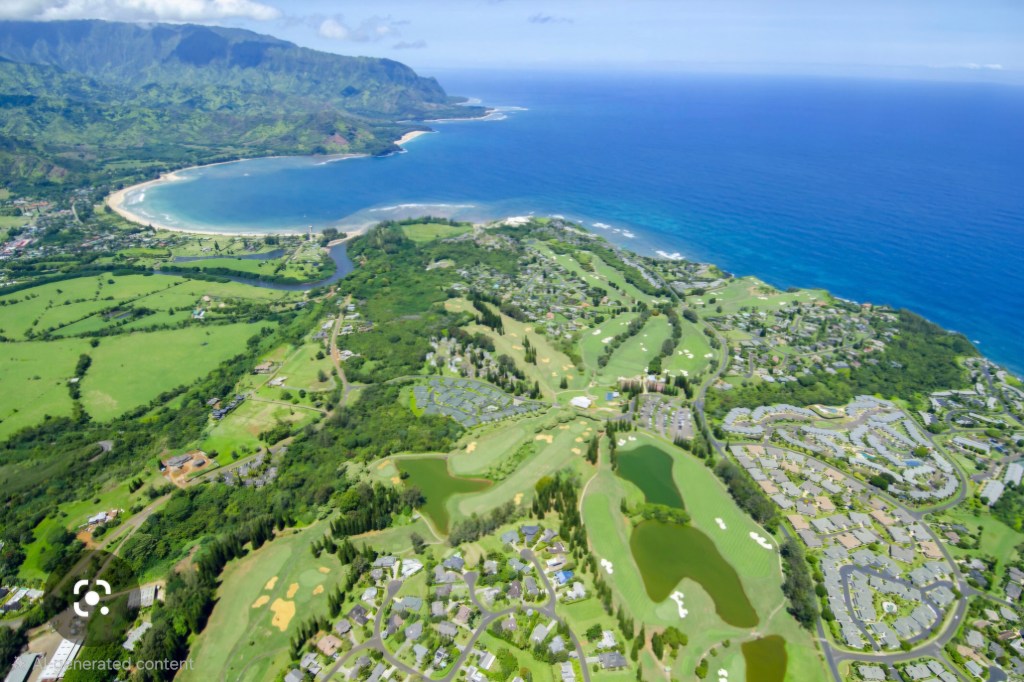
Starwood Capital Group arrives in Princeville, Kauai
Princeville, Kauai, is facing important questions about the future of its open spaces, the Makai Golf Course and surrounding resort properties. Since Starwood Capital Group acquired major Princeville properties, residents and property owners have been watching plans involving the Makai Woods Course, 1 Hotel Hanalei Bay and the future development of Princeville.
In 2018, Starwood Capital Group acquired the Princeville resort properties on Kauaʻi’s North Shore, becoming a major landowner in the community.
At first, the change appeared promising. Starwood announced major investment to transform the former St. Regis into 1 Hotel Hanalei Bay.
But the acquisition soon raised a much bigger question:
What would Starwood do with the surrounding Princeville lands—and what would that mean for the community?
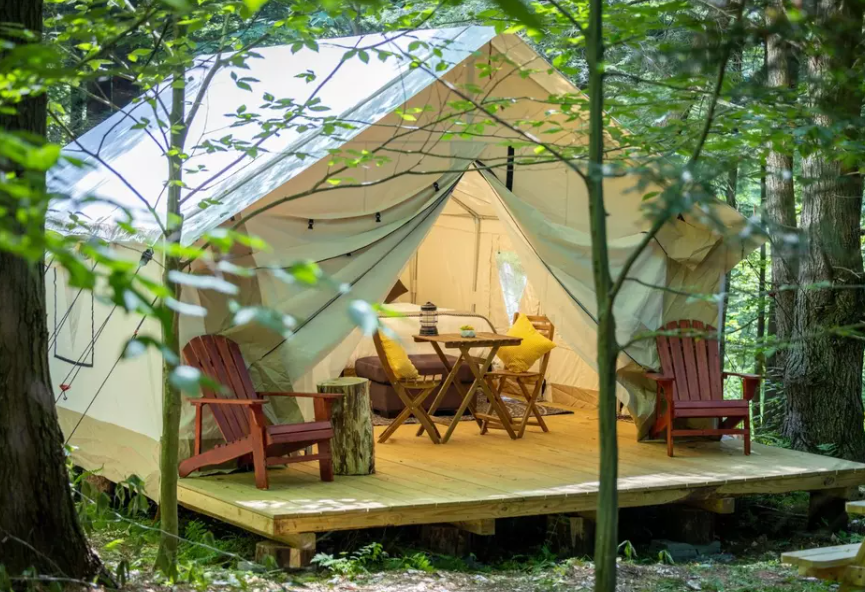
By 2020, Starwood was pursuing a proposal for approximately 50 luxury glamping units on the Makai Woods Golf Course, putting development, open space and Princeville’s future squarely into the spotlight.
This is where the story begins.
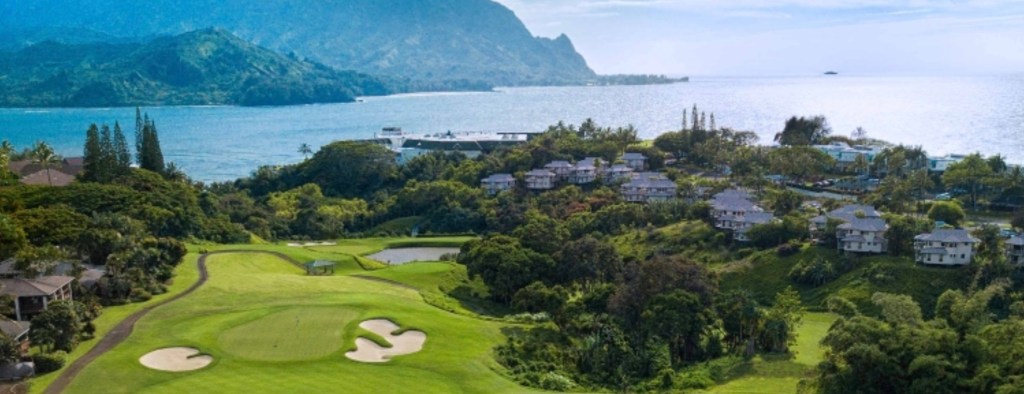
Why Did Starwood Abandon the Woods Course?
1 Hotel Hanalei Bay promotes stewardship as a central part of its identity, saying its goal is to work “in harmony with the natural environment—not around or against it.” The hotel highlights native landscaping, habitat restoration, water stewardship and protecting Kauai’s natural environment.
That raises a reasonable question for Princeville: What does stewardship mean when land directly beside people’s homes is allowed to become overgrown?
After acquiring the Princeville properties in 2018, Starwood stopped operating the Woods Course as a golf course.
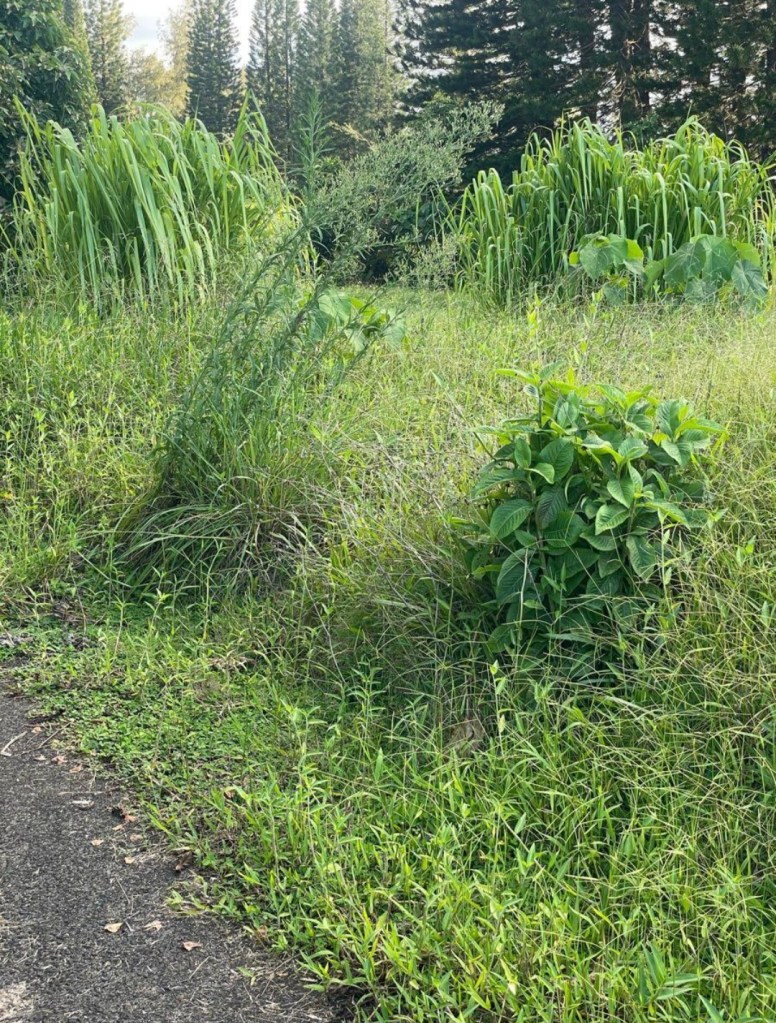
Maintenance was drastically reduced. Around the time of the court ruling against Starwood’s development plans, mowing became infrequent—and eventually stopped altogether.
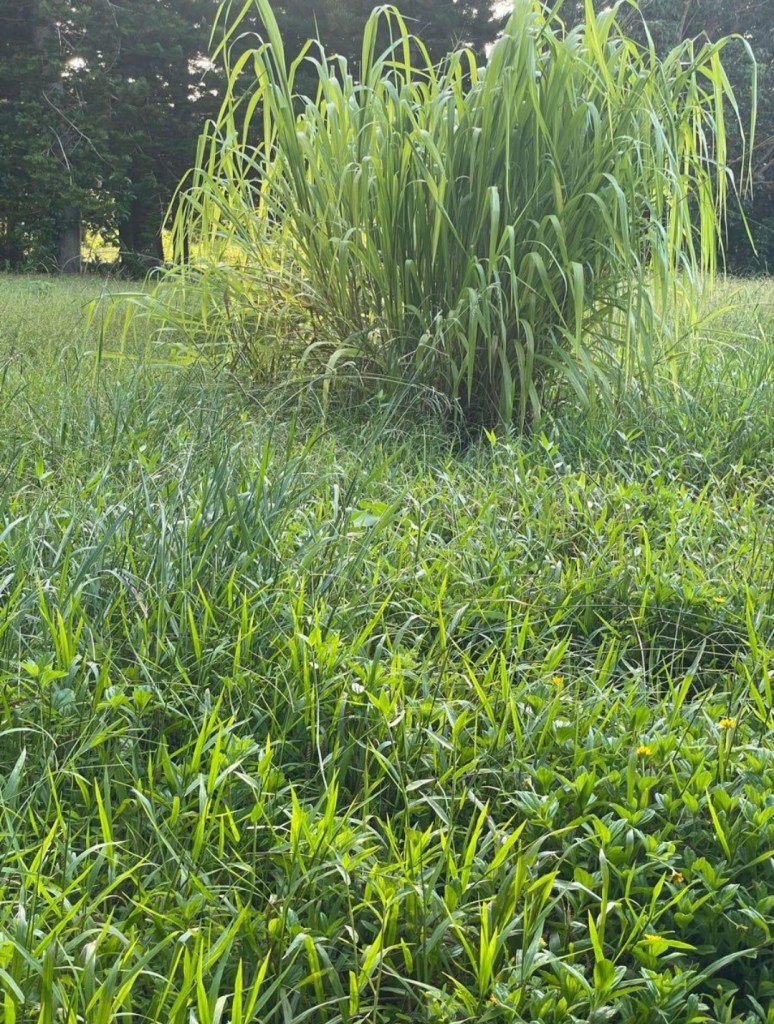
Today, vegetation has overtaken much of the former course, extending alongside neighboring homes.
The former Woods Course sits directly alongside approximately 150 homes, making the condition of the abandoned course a concern for many Princeville residents.
Starwood had pursued development options for the Golf course property, including the proposed luxury “glamping” project.
What was once a maintained golf course is now largely overgrown land sitting directly beside Princeville homeowners.
The First Warning Sign
In 2020, Starwood began exploring a proposal for 50 luxury camping units on the first three holes of the Woods Course.
The proposal surprised many Princeville residents.
The luxury accommodations were expected to cost about $500 a night and included plans for amenities such as a spa and restaurant.
For residents, this was more than a new resort concept.
It was a warning that the land surrounding their homes could become part of a much larger development battle.
And the controversy was only beginning
The Document That Changed Everything
Behind the controversy was a decades-old document.
A 1972 dedication agreement had placed the golf-course property under restrictions preserving it for golf and open-space purposes. Starwood’s lawyers discovered the document after acquiring the property in 2018.
The document contained a critical date: February 2026.
That discovery changed the argument. What had looked like a proposal for a new luxury resort suddenly became a question about what Princeville’s original land protections actually allowed—and what would happen when those protections reached their expiration date.
For Princeville residents, the stakes were no longer just about 50 luxury camping units.
They were about the future of the land itself.
The 75% Question
- Princeville’s governing documents contain another important protection: a 75% property owners approval requirement for certain development involving the golf-course and open-space areas.
That provision would become a major issue as plans for the property evolved.
For property owners, the question was straightforward:
If the land was protected by agreements made when Princeville was created, could those protections simply disappear—or could development move forward without the approval of the people who own property here?
That question would eventually move from community discussions into the courtroom.
And the battle over Princeville’s future was about to become a legal one.
The Fight Moves to Court
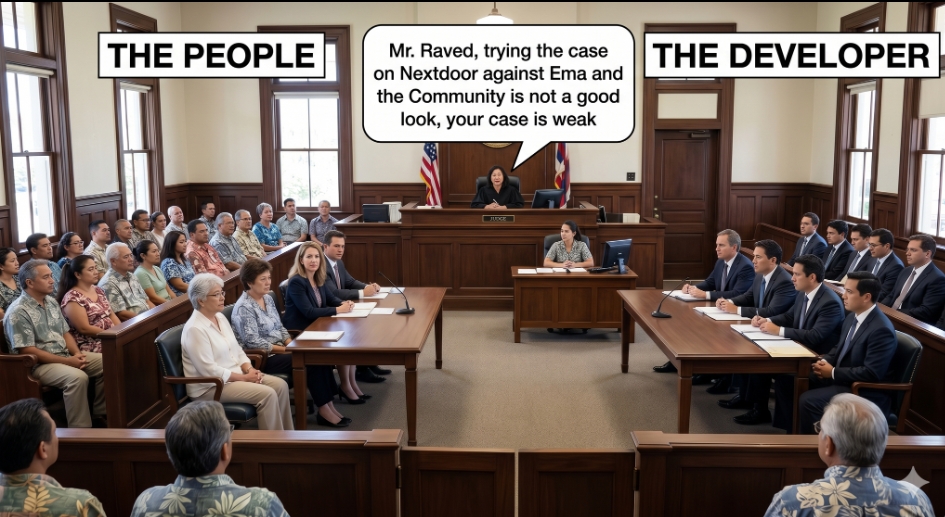
As disagreements over the Princeville properties intensified, the dispute moved beyond community meetings and public debate.
Property owners challenged Starwood’s plans in court, arguing that existing agreements and restrictions continued to protect portions of the Princeville property from certain forms of development.
The legal battle forced questions that had been debated within the community into the public record:
What rights came with the land? What restrictions remained in force? And could a new owner change the future of Princeville without first overcoming those protections?
The answers would have consequences far beyond a single development proposal.
They could determine how much control Princeville property owners actually have over the community they call home.
The Stakes Get Higher
As the legal dispute developed, the focus expanded beyond the original development proposal.
At the center was a fundamental disagreement over who had the right to determine the future use of Princeville’s remaining open lands.
Starwood maintained its position as the property owner. Property owners and community groups pointed to the agreements, covenants and planning documents that had shaped Princeville for decades.
The dispute raised a question with consequences for everyone who owns property here:
Does buying the land also mean inheriting the obligations that came with it?
That question would become increasingly important as Starwood’s plans for Princeville evolved—and as property owners continued to challenge them.
The Woods Course
The Woods Course is not simply an empty piece of land.
For decades, it has been part of the landscape and planning of Princeville. Today, however, portions of the property have become the subject of growing concern as questions about maintenance, development and future use continue to unfold.
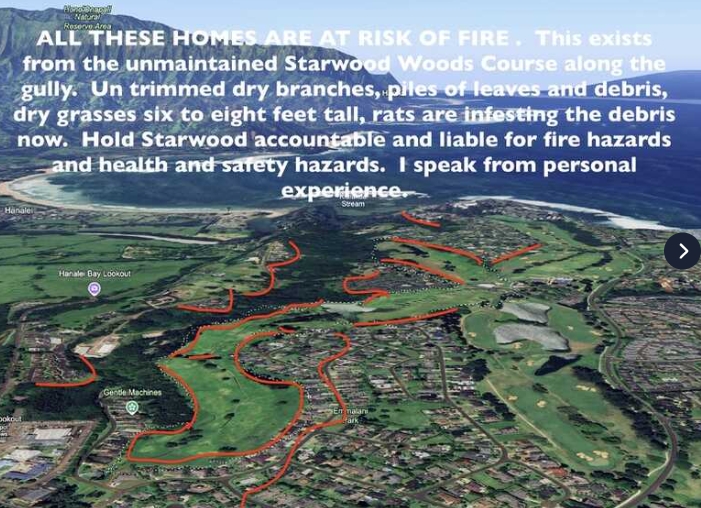
For nearby property owners, the condition of the land is impossible to separate from the larger development dispute.
What happens to the Woods Course could change far more than the view from a nearby home. It could change the character of Princeville itself.
And there is another issue that makes this land particularly important:
what lies beneath it—and what the land is connected to.

What Lies Beneath
The Woods Course also raises an issue that is easy to overlook: what lies beneath the ground.
Historical records document cattle deaths from anthrax on the former Princeville Ranch, including areas associated with the present-day Woods property.
That history matters because disturbing contaminated soil can present serious concerns. The issue has therefore become part of the larger debate over what activities should be permitted on the property.
For residents, this creates an uncomfortable question:
How do you balance development plans with a site that may contain a dangerous chapter of Kauaʻi’s history beneath the surface?
And that question becomes even more important when considering grading, excavation and other ground-disturbing work.
Concerns about the Woods property are not limited to its history. They also involve what activities can safely take place on the land today.
Questions about excavation, grading and other ground disturbance have become part of the legal and community debate.
For residents, the issue is simple:
Before changing the land, shouldn’t everyone be certain what is beneath it—and what protections are already in place?
That question would become especially important as the dispute moved deeper into the courts.
The Legal Battle Intensifies
What began as a disagreement over the future of Princeville’s land eventually became a serious legal battle.
Property owners and community members turned to the courts to challenge development plans and defend what they believed were longstanding protections attached to the property.
The courts were then asked to decide questions that could affect Princeville for years to come:
What rights did the original agreements provide? What restrictions still applied? And could those protections be overridden by a new owner?
The answers would determine whether Princeville’s original vision still carried legal weight—or whether a new chapter was about to be written.

The Court Draws a Line
The legal fight eventually produced a court ruling that put limits on what could happen on the property.
For property owners, the significance went beyond any single development proposal. The court proceedings brought long-standing agreements, property rights and development restrictions into sharp focus.
The message was clear:
Ownership of the land did not automatically erase the legal questions surrounding its use.
But the battle was far from over.
The next question was what would happen after the court’s ruling—and whether the protections surrounding Princeville would actually be enforced.
What Happens Next?
The court battles have brought important questions to the surface, but the future of Princeville remains unsettled.
The issue is no longer simply what one developer wants to build. It is whether the agreements, restrictions and protections that helped shape Princeville will continue to have meaning.
For the property owners who live here, the stakes are personal.
This is their community. Their homes. Their investment. And ultimately, their future.
The question now is:
Who will decide what happens to Princeville?
The 2025 Court Decision
On July 14, 2025, Judge Kathleen Watanabe ruled in favor of Princeville homeowners in the case against Starwood.
The ruling found that the golf-course dedication does not allow residential development or overnight accommodations on the protected golf-course land. It also found that the Princeville CC&Rs apply to the dedication and provide for automatic five-year extensions unless 75% of the applicable property owners vote to terminate them.
Starwood was enjoined from proceeding with its proposed housing development or other ground-disturbing activity without appropriate testing, oversight and court approval.
The final judgment was signed August 6, 2025. Starwood subsequently appealed.
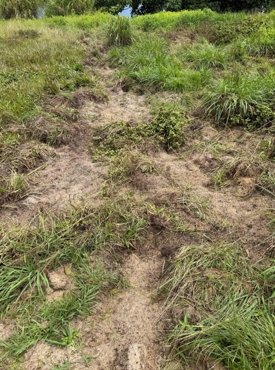
Picture of possible signs of wild boar digging on the Makai Woods Golf course
What Happens Next?
For now, the trial court’s injunction remains in place. Starwood cannot proceed with its proposed housing development or other ground-disturbing activity without the required testing, oversight, and court approval.
The legal battle is not over, and the future of the Woods Course remains at stake.
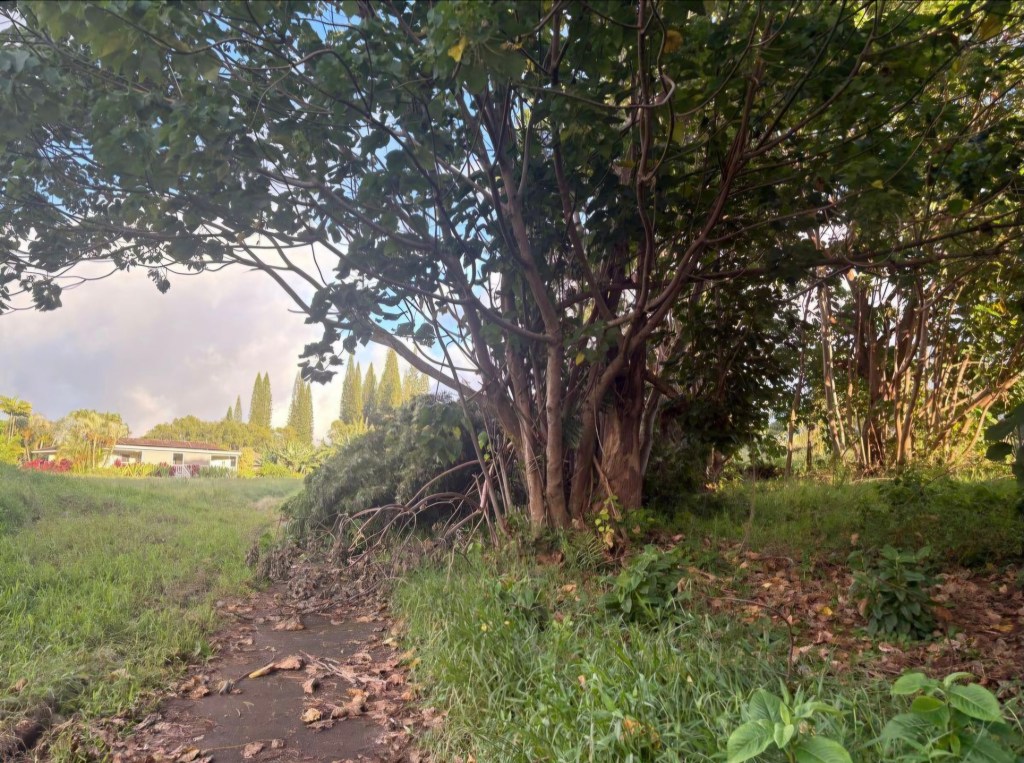
Woods course as of August 2026
Next: The 2026 developments.
In 2026, the dispute over Princeville’s golf-course properties remains active.
Court proceedings have continued over development rights, property restrictions and ground-disturbing activities.
At the same time, questions remain about the future of the Woods Course and how proposed changes could affect Princeville.
The outcome is still being determined.
Stewardship or Neglect?
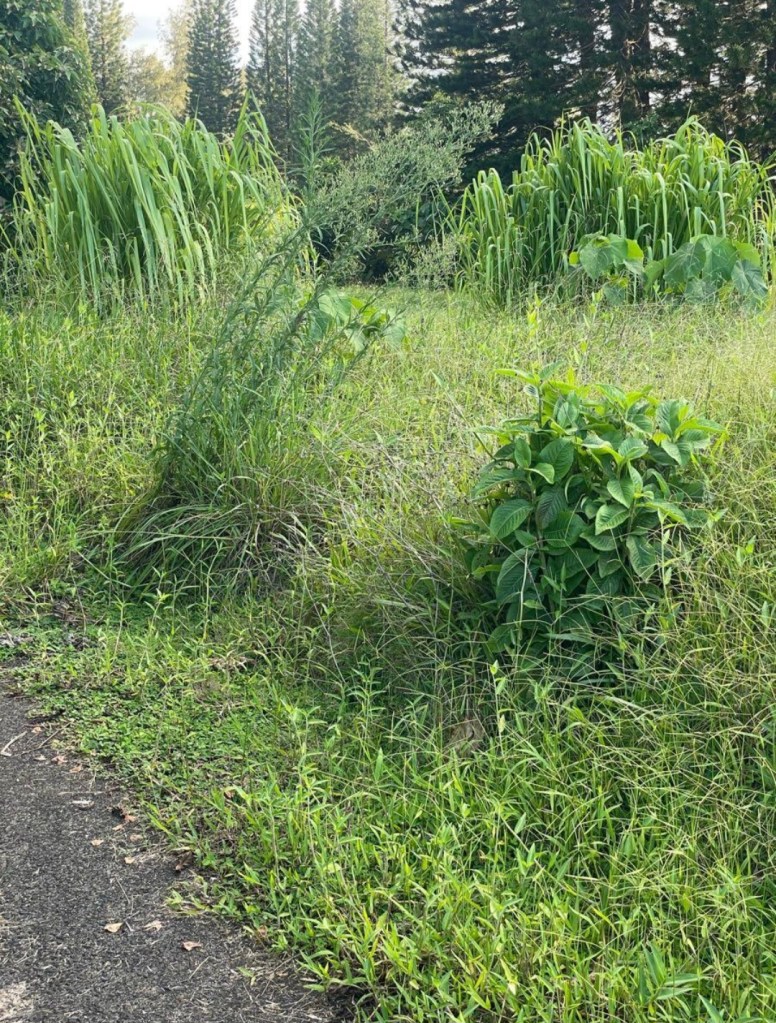
Starwood and 1 Hotel publicly promote stewardship, sustainability and protection of the natural environment.
Yet within walking distance of the luxury 1 Hotel Hanalei Bay sits the largely overgrown Woods Course—property owned by a Starwood affiliate. The same pattern can be seen at Queens Path, another Starwood property where vegetation has been allowed to grow unchecked.
For homeowners living directly alongside these properties, the issue is more than appearances.
Overgrown vegetation can create hiding places for rats and other pests, block access, affect neighboring properties and create concerns about fire and safety.
The question is simple: What does “stewardship” mean when property directly beside people’s homes is allowed to deteriorate?
For homeowners whose properties border Starwood-owned land, the issue isn’t theoretical.
The View From the Homeowners’ Side
They see the condition of these properties every day—overgrown vegetation, neglected areas and increasing concerns about pests and safety.
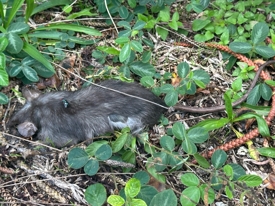
Rats are getting into homes near the Woods Course. One home adjacent to the overgrowth reported having nine rats removed from the home within the past few months
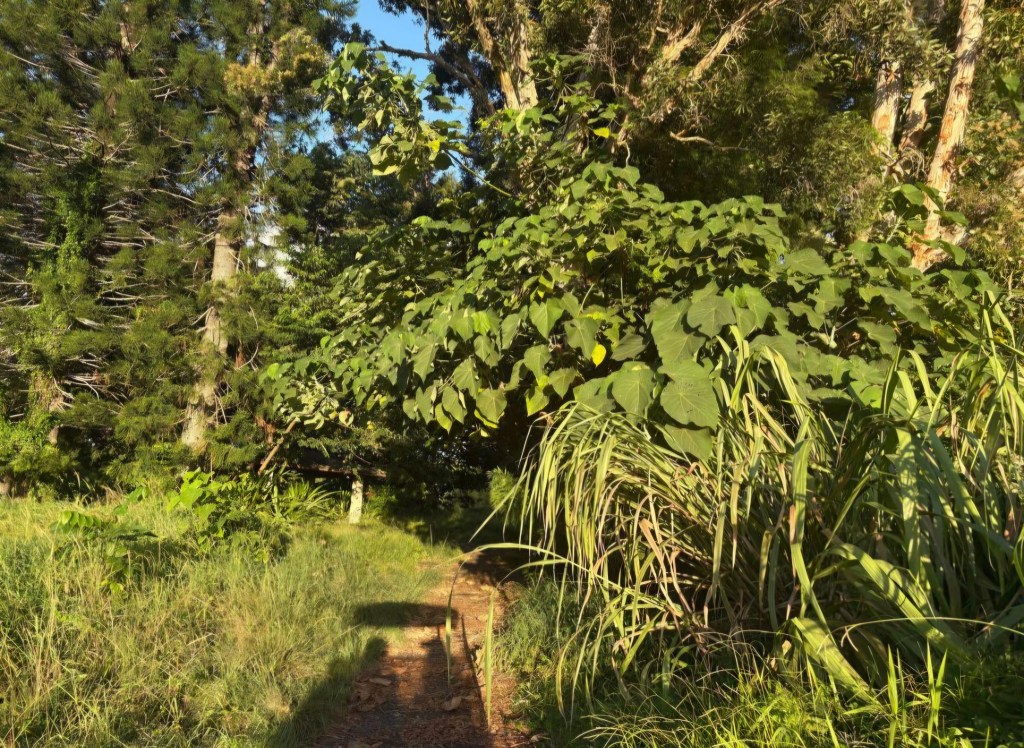
Meanwhile, visitors to 1 Hotel Hanalei Bay experience a carefully maintained luxury resort environment.
The contrast is difficult to miss:
A world-class resort on one side. Overgrown Starwood property on the other.
For the homeowners living alongside it, the question isn’t about luxury.
It’s about basic stewardship of the property next door.
For more information and supporting documents, visit SOS Hui:
SOSHui.org — Save Open Space Hui
Do you have firsthand information, photographs, documents or updates about the Woods Course, Princeville development or surrounding properties? Share your information below.
One response to “Trouble in Paradise: Princeville Kauai”
-
TESTING
LikeLike

 Kauai Karaoke
Have Information to Share?