Corporate takeover of Princeville Kauai leaves property owners speechless – and fighting back.
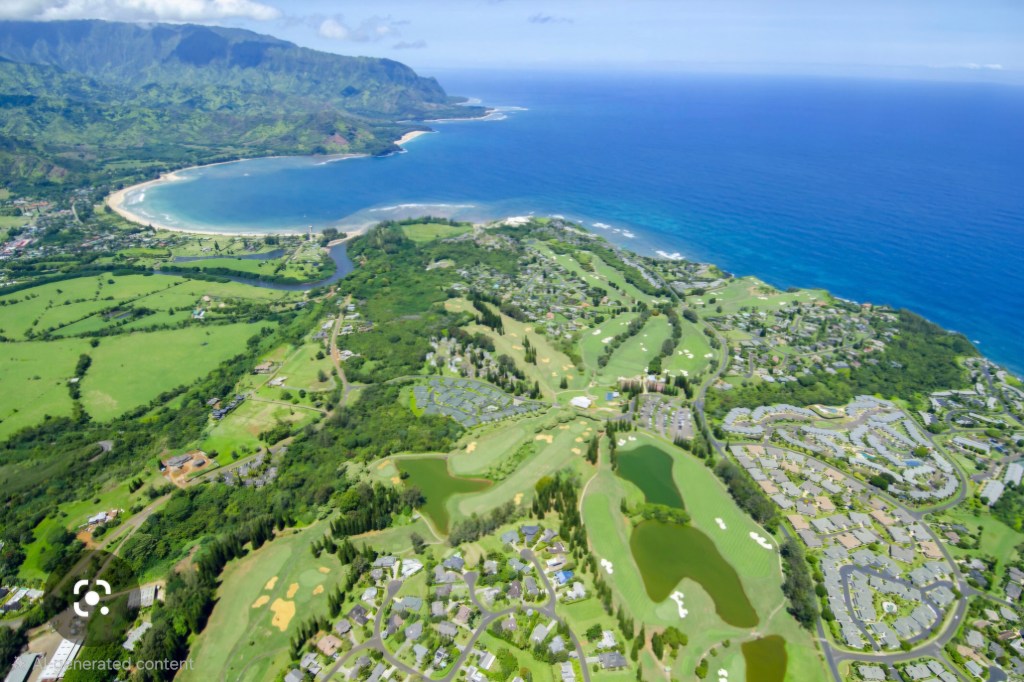
Starwood Capital Group arrives in Princeville, Kauai
Princeville, Kauai, is facing important questions about the future of its open spaces, the Makai Golf Course and surrounding resort properties. Since Starwood Capital Group acquired major Princeville properties, residents and property owners have been watching plans involving the Makai Woods Course, 1 Hotel Hanalei Bay and the future development of Princeville.
Princeville Makai Golf Club and the surrounding former Woods Course are also central to these questions. Princeville Makai Golf Club is managed by Troon Golf, while 1 Hotel Hanalei Bay promotes the nearby Makai Golf Club to its guests. The history and current condition of the Woods Course are documented separately throughout this page.
Starwood Capital Group and Princeville
In 2018, Starwood Capital Group acquired the Princeville resort properties on Kauaʻi’s North Shore, becoming a major landowner in the community.
At first, the change appeared promising. Starwood announced major investment to transform the former St. Regis into 1 Hotel Hanalei Bay.
But the acquisition soon raised a much bigger question:
What would Starwood do with the surrounding Princeville lands—and what would that mean for the community?
By 2020, Starwood was pursuing a proposal for approximately 50 luxury glamping units on the Makai Woods Golf Course, putting development, open space and Princeville’s future squarely into the spotlight.
This is where the story begins.
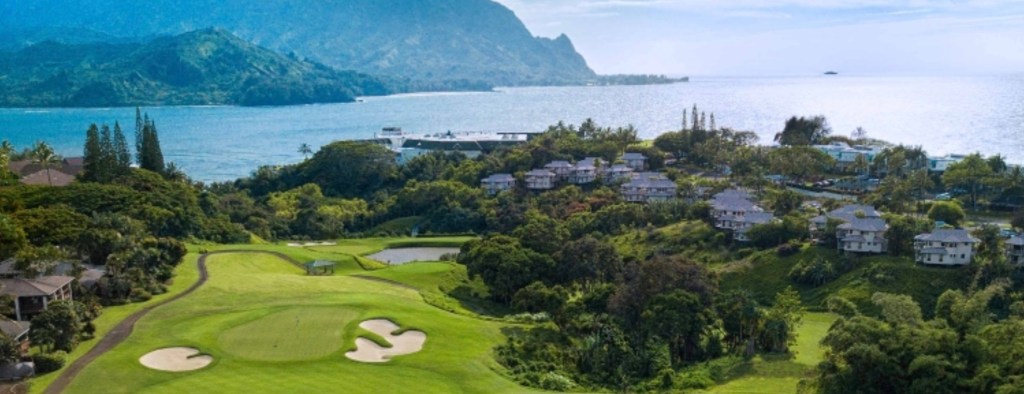
Why Did Starwood Abandon the Woods Course?
1 Hotel Hanalei Bay promotes stewardship as a central part of its identity, saying its goal is to work “in harmony with the natural environment—not around or against it.” The hotel highlights native landscaping, habitat restoration, water stewardship and protecting Kauai’s natural environment.
That raises a reasonable question for Princeville: What does stewardship mean when land directly beside people’s homes is allowed to become overgrown?
After acquiring the Princeville properties in 2018, Starwood continued to own and operate the Woods Course, but stopped operating it as a golf course in 2021.
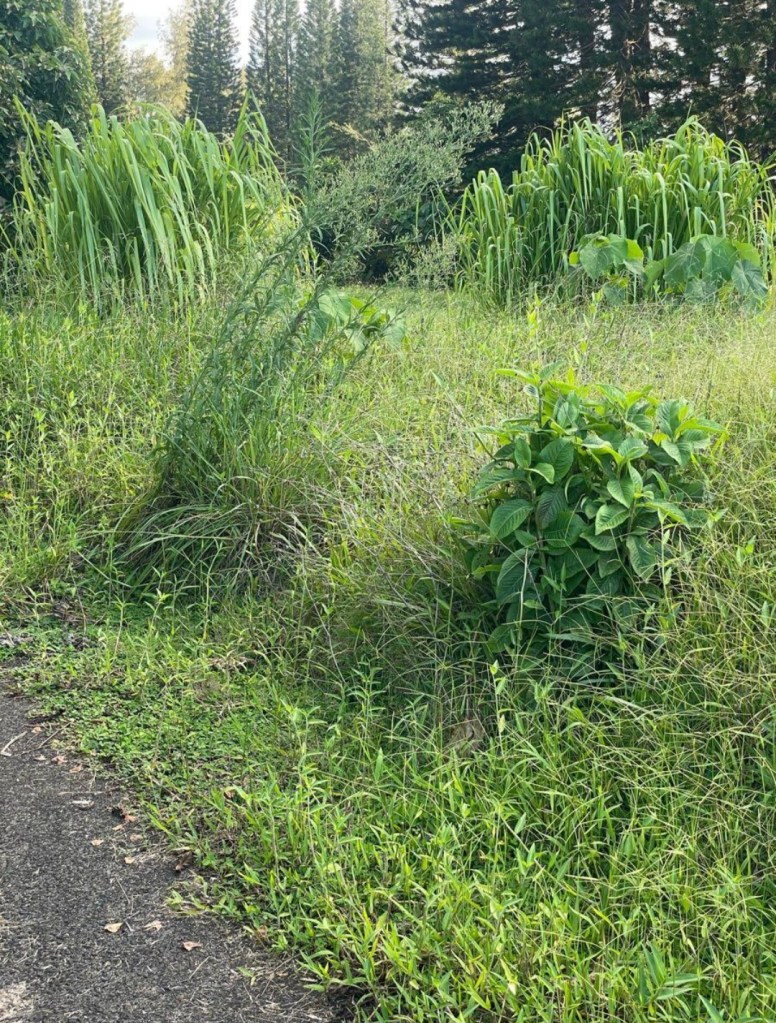
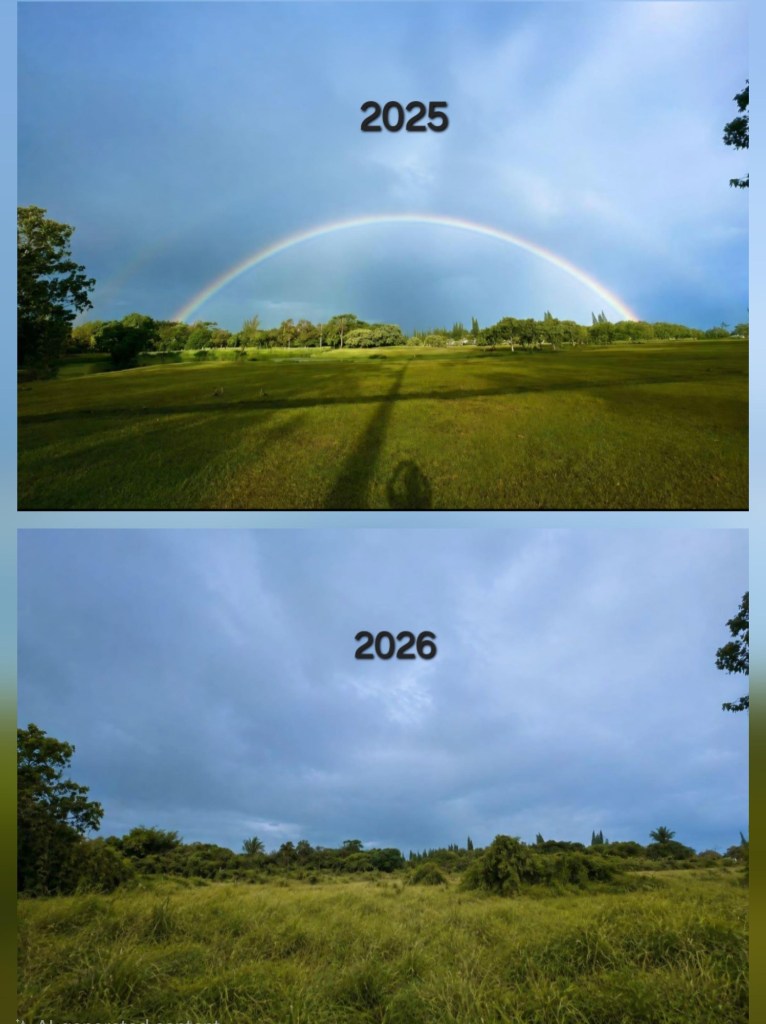
Maintenance was drastically reduced. Around the time of the court ruling against Starwood’s development plans, mowing became infrequent—and eventually stopped altogether.
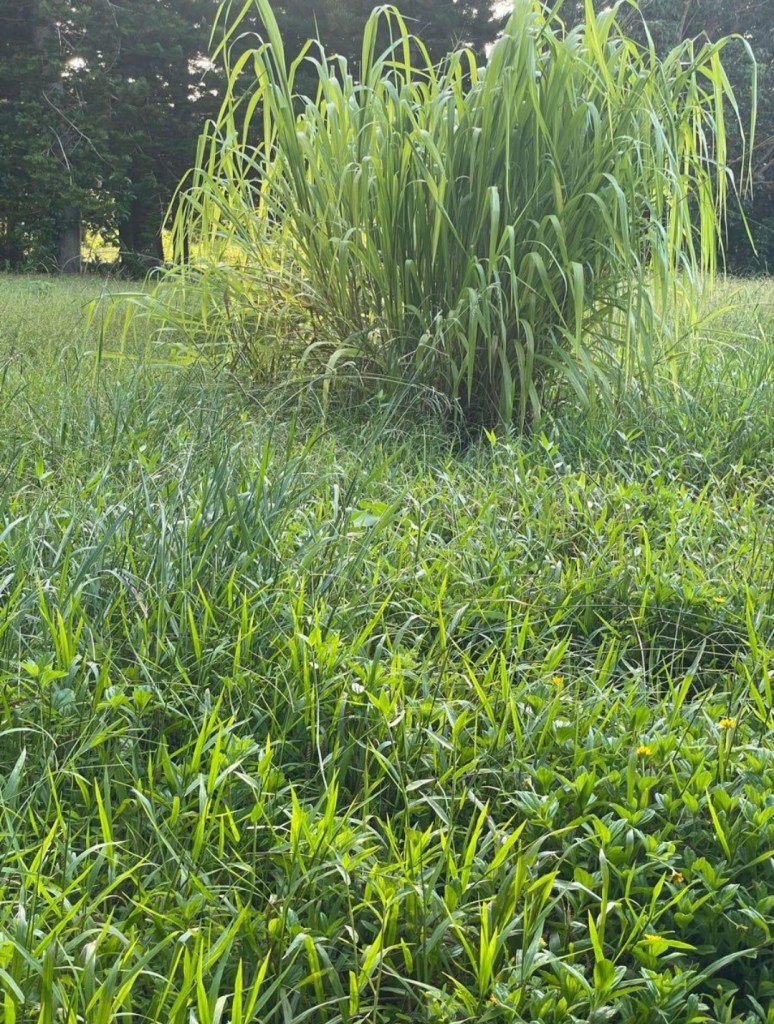
Today, vegetation has overtaken much of the former course, extending alongside neighboring homes.
The former Woods Course sits directly alongside approximately 150 homes, making the condition of the abandoned course a concern for many Princeville residents.
Starwood had pursued development options for the Golf course property, including the proposed luxury “glamping” project.
What was once a maintained golf course is now largely overgrown land sitting directly beside Princeville homeowners.
The First Warning Sign
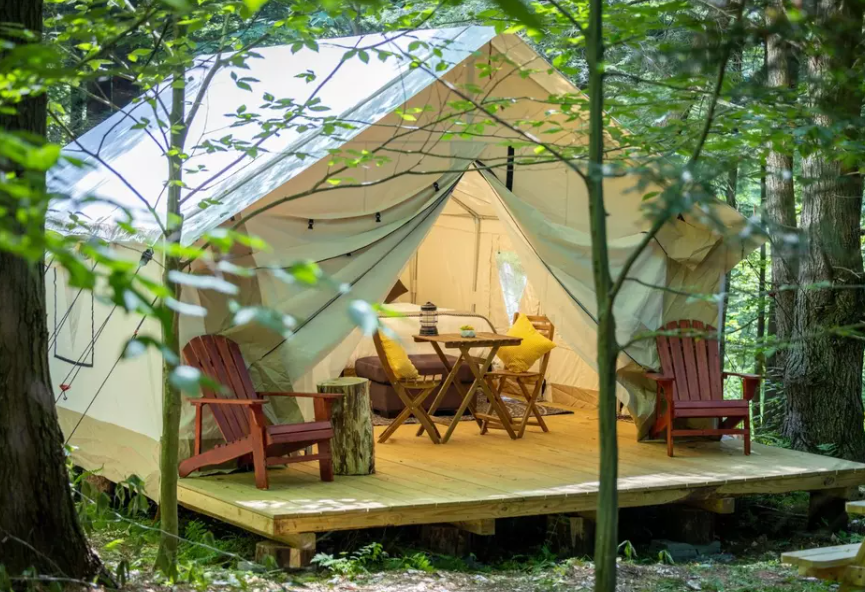
In 2020, Starwood began exploring a proposal for 50 luxury camping units on the first three holes of the Woods Course.
The proposal surprised many Princeville residents.
The luxury accommodations were expected to cost about $500 a night and included plans for amenities such as a spa and restaurant.
For residents, this was more than a new resort concept.
It was a warning that the land surrounding their homes could become part of a much larger development battle.
And the controversy was only beginning
The Document That Changed Everything
Behind the controversy was a decades-old document.
The 1972 “Dedication of Golf Course Property” covered the Makai Golf Course lands and placed them under restrictions governing their use. The dedication was executed by Eagle County Development Corporation and recorded in 1972.
The Dedication identified February 28, 2026, as a significant date affecting the restrictions on the golf-course property.
The Dedication became important because it raised questions about how the golf-course lands could be used after the property changed hands. The February 28, 2026 date became central to the dispute over what restrictions applied to those lands and what could happen to them going forward.
For Princeville residents, the stakes were no longer just about 50 luxury camping units.
They were about the future of the land itself.
For property owners, the question was straightforward:
If the land was protected by agreements made when Princeville was created, could those protections simply disappear—or could development move forward without the participation or approval required under those agreements and applicable law?
That question would eventually move from community discussions into the courtroom.
And the battle over Princeville’s future was about to become a legal one.
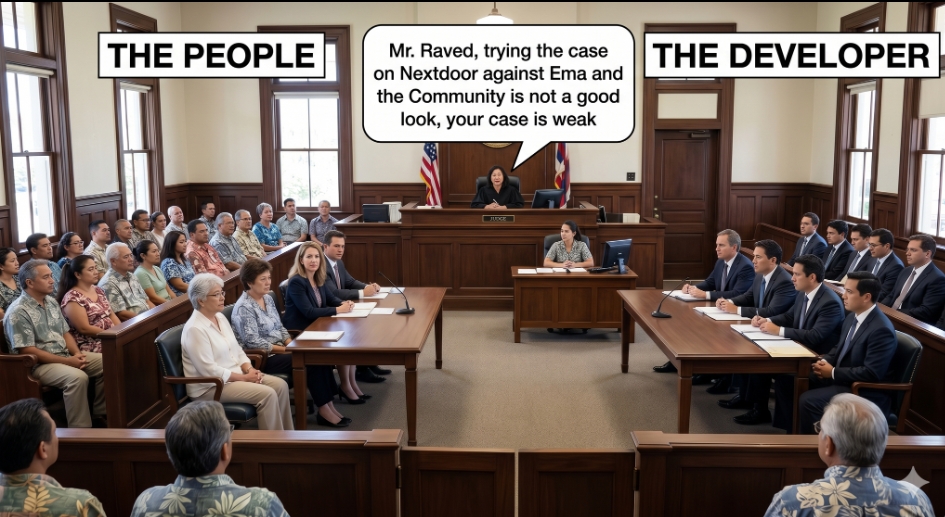
AI-generated illustration depicting the legal dispute described on this page.
The Fight Moves to Court
As disagreements over the Princeville properties intensified, the dispute moved beyond community meetings and public debate.
Property owners challenged Starwood’s plans in court, arguing that existing agreements and restrictions continued to protect portions of the Princeville property from certain forms of development.
The legal battle forced questions that had been debated within the community into the public record:
What rights came with the land? What restrictions remained in force? And could a new owner change the future of Princeville without first overcoming those protections?
The answers would have consequences far beyond a single development proposal.
They could determine how much control Princeville property owners actually have over the community they call home.
The Stakes Get Higher
As the legal dispute developed, the focus expanded beyond the original development proposal.
At the center was a fundamental disagreement over what rights and restrictions governed the future use of Princeville’s remaining open lands.
Starwood maintained its position as the property owner. Property owners and community groups pointed to the agreements, covenants and planning documents that had shaped Princeville for decades.
The dispute raised a question with consequences for everyone who owns property here:
Does buying the land also mean inheriting the obligations and restrictions that came with it?
That question would become increasingly important as Starwood’s plans for Princeville evolved—and as property owners continued to challenge them.
The Woods Course
The Woods Course is not simply an empty piece of land.
For decades, it has been part of the landscape and planning of Princeville. Today, however, portions of the property have become the subject of growing concern as questions about maintenance, development and future use continue to unfold.
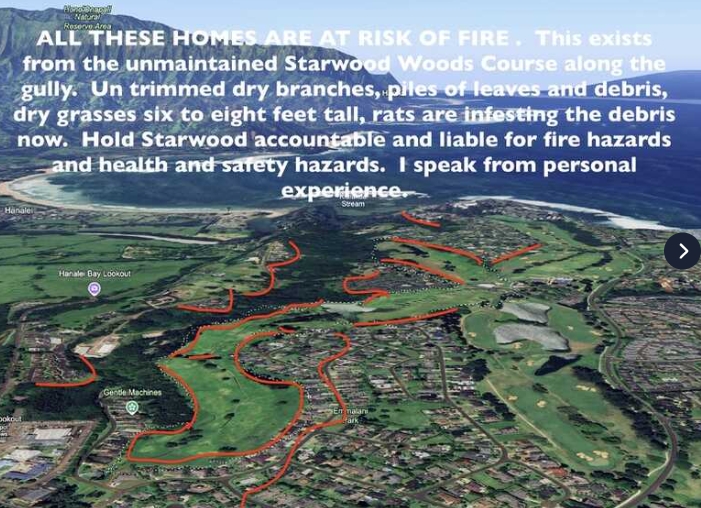
For nearby property owners, the condition of the land has become closely connected to the larger dispute over Princeville’s future.
What happens to the Woods Course could change far more than the view from a nearby home. It could change the character of Princeville itself.
And there is another issue that makes this land particularly important:
what lies beneath it—and what the land is connected to.

picture depicting 200 head of cattle laying in a field
What Lies Beneath
The Woods Course also raises an issue that is easy to overlook: what lies beneath the ground.
Historical records document anthrax-related cattle deaths on the former Princeville Ranch. Cattle that died from anthrax were buried on the property, and historical burial locations were identified in areas that later became part of the Woods Course.
The history is not merely anecdotal. The Hawaiʻi State Historic Preservation Division documented the anthrax outbreak and the burial sites in its historical research on the Makai Golf Course. The record indicates that when the Woods nine-hole course was developed, areas associated with the burial sites were not excavated; instead, soil was added over portions of the existing ground.
That history matters today because ground disturbance can raise serious questions when it occurs near known or suspected anthrax burial sites.
Those concerns became part of the legal dispute over the Woods property. Court proceedings examined the location and history of the burial sites and the implications of disturbing the ground.
For residents, the issue is therefore larger than the appearance or future development of the golf course.
What happens when proposed grading, excavation or construction meets a landscape containing documented historical burial sites?
That question becomes especially important when considering the future of the Woods Course and what activities can safely take place there.
The Legal Battle Intensifies
What began as a dispute over the future of Princeville’s open land eventually became a major legal battle over the restrictions governing the Makai Golf Course property.
Property owners challenged Starwood’s plans in court, arguing that the original Princeville agreements and the 1972 Dedication of Golf Course Property continued to place restrictions on how the golf-course lands could be used.
The case ultimately focused on a fundamental question:
Did those protections end on February 28, 2026 — or did the original Princeville documents require them to continue?
In July 2025, after a six-day trial, the Hawaiʻi Fifth Circuit Court ruled in favor of plaintiffs Lorraine Mull and Frances White. The court found that the 1972 Golf Course Dedication was connected to the Princeville CC&Rs and that the protections continued through an automatic five-year extension unless terminated by the required three-fourths vote of property owners.
The court also issued injunctive relief preventing uses of the protected golf-course land that were inconsistent with the Dedication, including residential housing and overnight accommodations.
Starwood appealed the judgment in September 2025, so the legal dispute did not end with the trial-court ruling.
That ruling changed the significance of the debate over the Woods Course. The question was no longer simply what a property owner wanted to build.
It became a question of what legal protections actually travel with the land.

The court battles have brought important questions to the surface, but the future of Princeville remains unsettled.
The issue is no longer simply what one developer wants to build. It is whether the agreements, restrictions and protections that helped shape Princeville will continue to have meaning.
For the property owners who live here, the stakes are personal.
This is their community. Their homes. Their investment. And ultimately, their future.
The question now is:
Who will decide what happens to Princeville?
The 2025 Court Decision
On July 14, 2025, Judge Kathleen Watanabe ruled in favor of Princeville homeowners in the case against Starwood.
The ruling found that the golf-course dedication does not allow residential development or overnight accommodations on the protected golf-course land.
Starwood was enjoined from proceeding with its proposed housing development or other ground-disturbing activity without appropriate testing, oversight and court approval.
The final judgment was signed August 6, 2025. Starwood subsequently appealed.
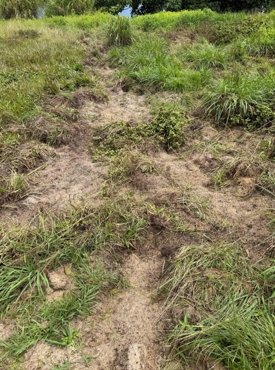
Picture of possible signs of wild boar digging on the Makai Woods Golf course
What Happens Next?
For now, the trial court’s injunction remains in place. Starwood cannot proceed with its proposed housing development or other ground-disturbing activity without the required testing, oversight, and court approval.
The legal battle is not over, and the future of the Woods Course remains at stake.
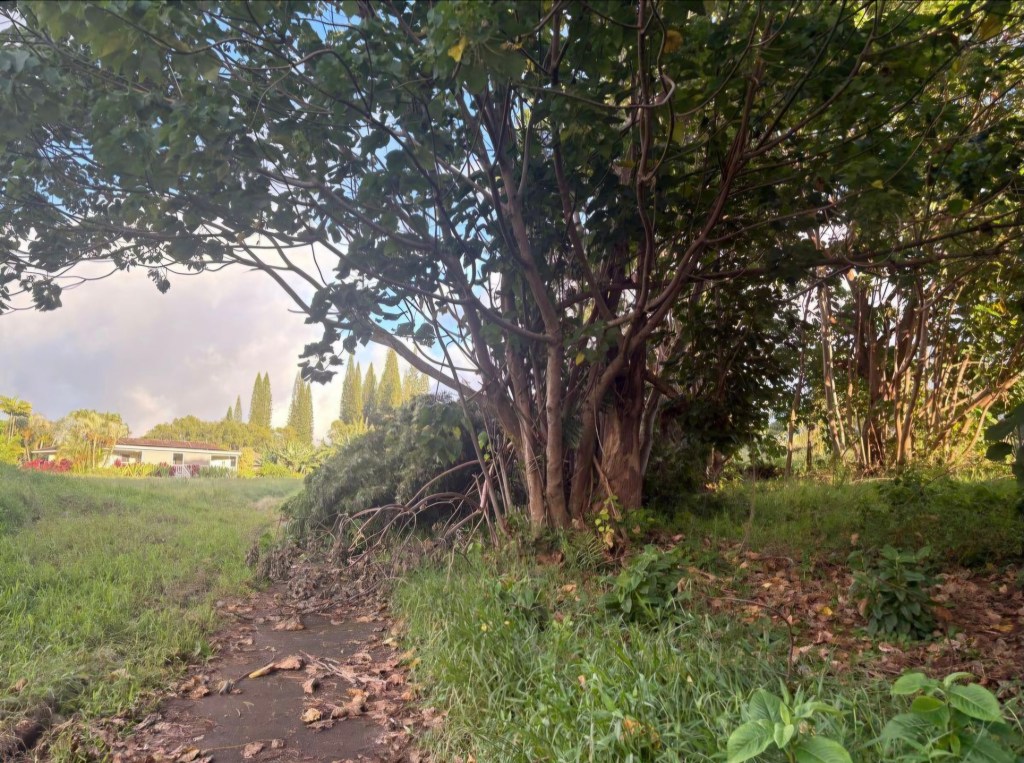
Woods course as of August 2026
Stewardship or Neglect?
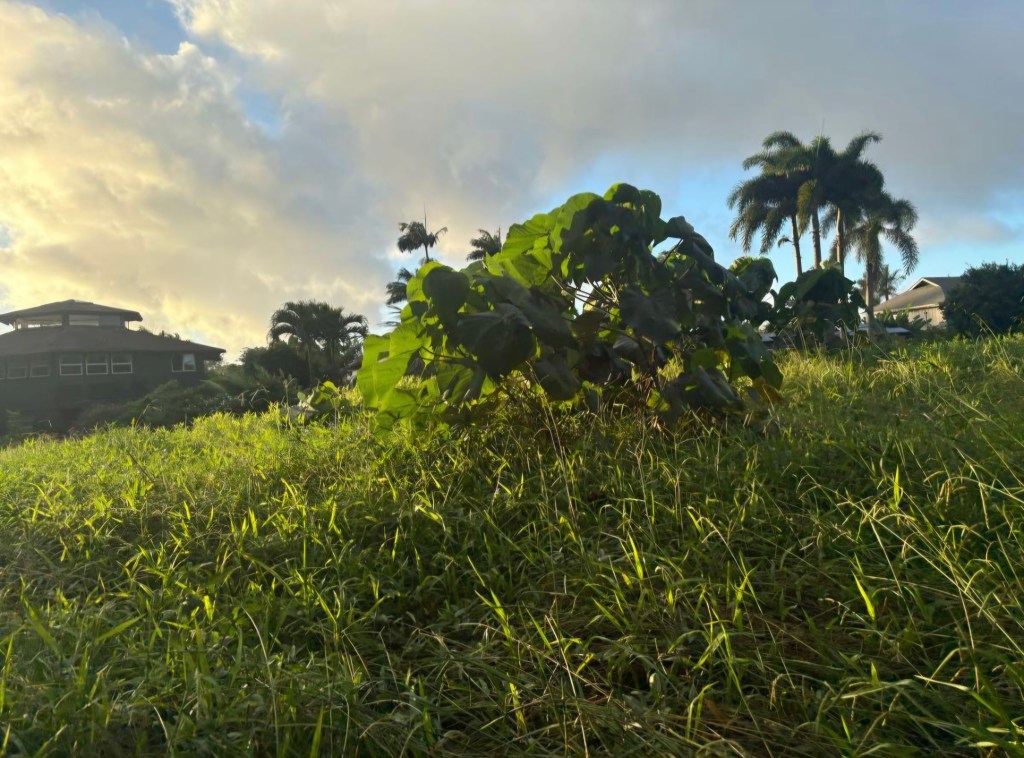
Starwood and 1 Hotel publicly promote stewardship, sustainability and protection of the natural environment.
Yet within walking distance of the luxury 1 Hotel Hanalei Bay sits the largely overgrown Woods Course—property owned by a Starwood affiliate. The same pattern can be seen at Queens Path, another Starwood property where vegetation has been allowed to grow unchecked.
For homeowners living directly alongside these properties, the issue is more than appearances.
Overgrown vegetation can create hiding places for rats and other pests, block access, affect neighboring properties and create concerns about fire and safety.
The question is simple: What does “stewardship” mean when property directly beside people’s homes is allowed to deteriorate?
For homeowners whose properties border Starwood-owned land, the issue isn’t theoretical.
The View From the Homeowners’ Side
They see the condition of these properties every day—overgrown vegetation, neglected areas and increasing concerns about pests and safety.
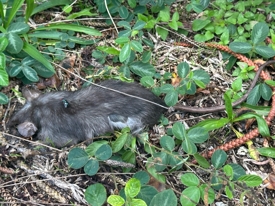
Rats are getting into homes near the Woods Course. One home adjacent to the overgrowth reported having nine rats removed from the home within the past few months
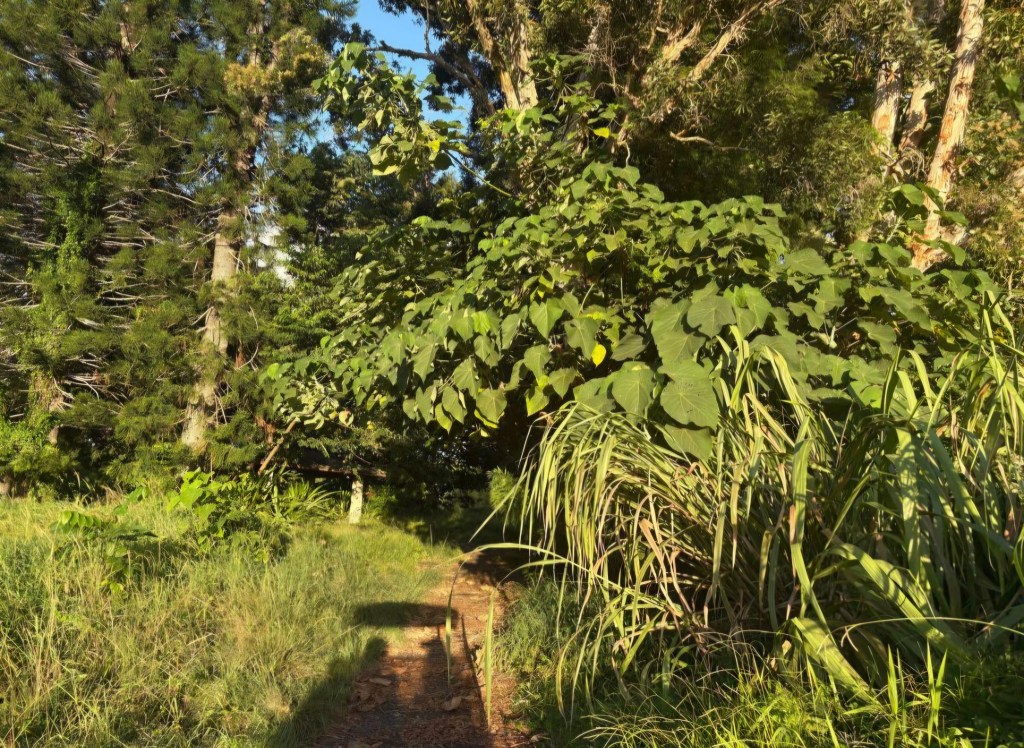
Meanwhile, visitors to 1 Hotel Hanalei Bay experience a carefully maintained luxury resort environment.
The contrast is difficult to miss:
A world-class resort on one side. Overgrown Starwood property on the other.
For the homeowners living alongside it, the question isn’t about luxury.
It’s about basic stewardship of the property next door.
For more information and supporting documents, visit SOS Hui:
SOSHui.org — Save Open Space Hui
Our Home, Our Open Space, Our Vote: Join the Movement to Protect Princeville.
Click the link ProtectPrinceville.org to see what you can do to help
https://protectprinceville.org
Do you have firsthand information, photographs, documents or updates about the Woods Course, Princeville development or surrounding properties? Share your information below.
Community Responses:
Submitted by Alex Petrov August 31, 2026
I called Makai Golf Course today, and spoke with Michael, the manager, about who is responsible for the Woods Course and other areas of Princeville property.
According to Michael, Troon Management Company manages the active facilities, including the golf course, food and beverage, tennis, and pickleball. However, Starwood Capital owns the property and makes the discretionary decisions regarding it.
He confirmed that maintaining—or not maintaining—the Woods Course is not Troon’s decision because it is not currently an active part of the business.
I also asked about the now-impassable Queen’s Path and was told that these areas are all private properties and I didnt need to worry about them.
In short: Troon manages the active facilities, but Starwood Capital ultimately controls decisions affecting the Woods Course and other non-operating areas of its property. Meanwhile, the deteriorating and neglected condition of these properties is becoming an eyesore that affects the appearance and character of the entire Princeville neighborhood.
Submitted by Alex Petrov September 30, 2026
If you walk or drive down Ka Haku Road near Wyllie Road, you’ll pass a prominent pedestrian crosswalk painted on the asphalt, complete with official pedestrian crossing signs standing on both sides of the street.
It was built to give the public safe, direct access to a striking, narrow ribbon of dense trees running along the ridge. This isn’t just standard landscaping—it is a legally preserved piece of Hawaiian history known as the Queen’s Path. Or at least, it was supposed to be.
Long before Princeville became a master-planned resort, this exact corridor was deeply vital to Kauai’s North Shore history:
An Ancient Footpath (Ala): Long before Western contact, Native Hawaiians used this ridge trail to descend the steep bluffs to the protective coral reefs below (now Wyllie’s Beach and Anini Reef) for fishing and gathering.
The Footsteps of Queen Emma:
In 1860, Queen Emma and the royal family stayed on the bluff at the estate of Robert Crichton Wyllie (for whom Wyllie Road is named). Queen Emma frequently walked or rode horses down this exact corridor to swim in the ocean below, giving the path its historic name.
The Paniolo Chute:
By 1895, the land became a massive cattle ranch. Paniolos (Hawaiian cowboys) utilized and reinforced this tight, tree-lined corridor to herd cattle safely down to the shore flats.
A Crosswalk to Nowhere
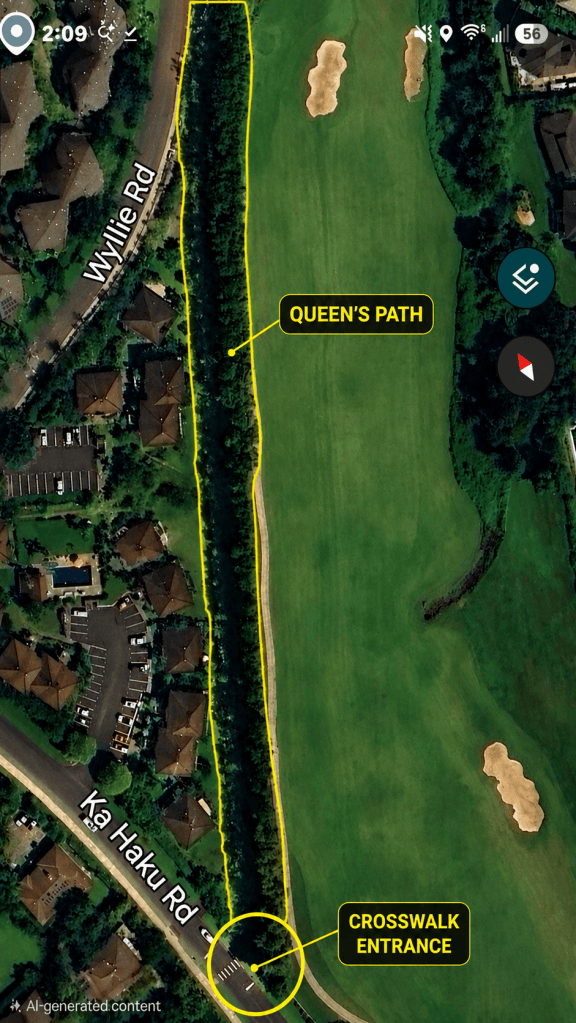
When Princeville was developed in the 1970s, this royal right-of-way was explicitly preserved as a public pedestrian greenbelt. The crosswalk and signs were installed to invite the community to walk in the footsteps of royalty.
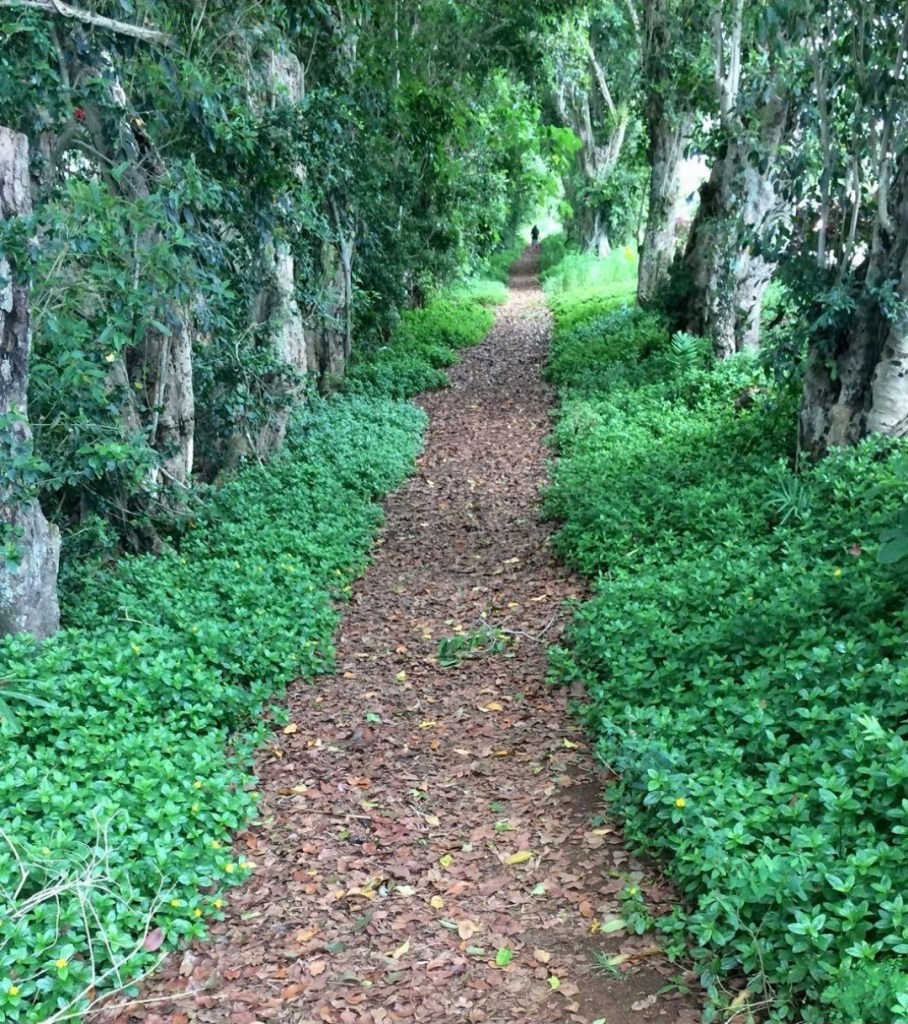
Queens Path in 2016 before Starwood, One Hotel purchased the land
Sadly, the latest owners of the land Starwood Capital Group and their management company Troon Golf, LLC have completely neglected its upkeep. Because it has been left to become so heavily overgrown and unkempt, you can no longer even walk on the path. Today, the official signs point you toward a crosswalk that leads directly into an impassable wall of tangled brush and weeds. It is heartbreaking to see a literal, physical connection to the Hawaiian Kingdom completely cut off and lost to neglect.
The next time you pass those pedestrian signs, look at the thick overgrowth and remember the rich history hidden beneath the brush—and the royal footsteps that are now entirely blocked from the public.
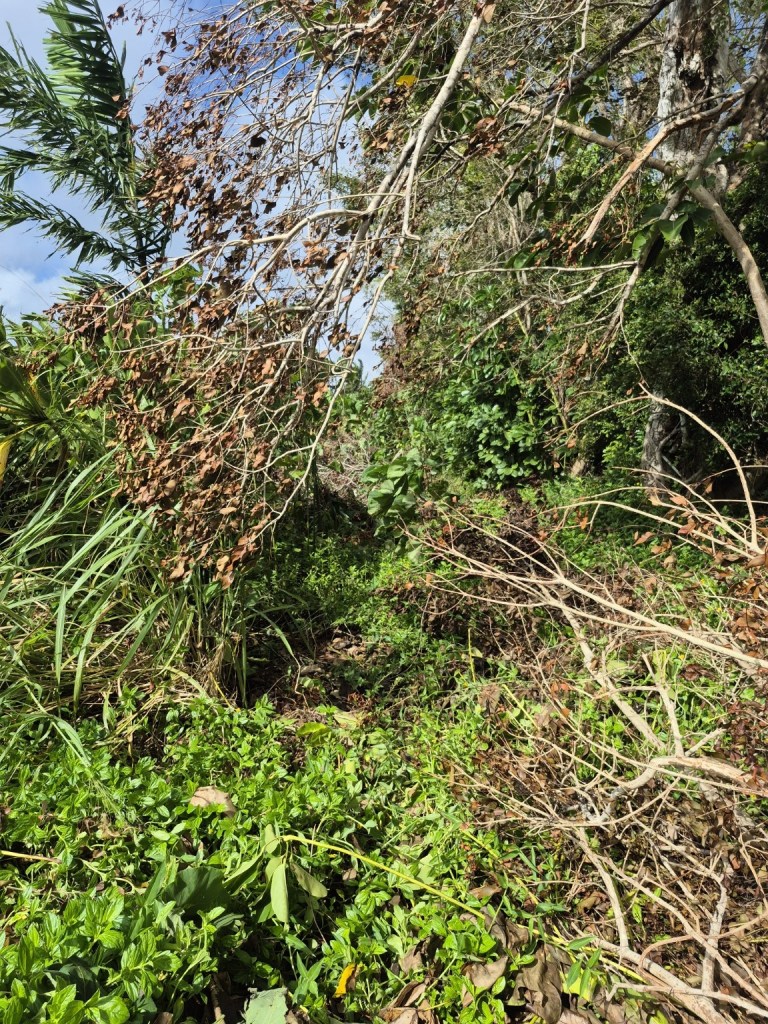
Queens Path in Princeville has been neglected since 2018 and is impassable.
Submitted by Alex Petrov-October 2, 2026
IS OUR HOA BEING STRONG-ARMED?
Two consecutive PHCA meetings have now been effectively derailed. At the same time, Starwood/1 Hotel has a major financial and voting interest in what happens to Princeville.
If pressure from Starwood and 1 Hotel is preventing our elected board from conducting the business of the homeowners, that is a serious threat to our community’s self-governance.
Our HOA belongs to the property owners—not Starwood, not 1 Hotel, and not Troon or anyone else trying to control the outcome.
Princeville owners need to pay attention.
Submitted by Amber Green – October 2, 2026
Is Starwood Seeking to Control Princeville’s Community Governance?
Starwood has already used its extraordinary voting power to support its preferred candidates for our five-member PHCA Board—and the effort to expand that influence appears to be continuing.
In the 2024 PHCA election, the hotel voting block represented 1,008 votes. The official results show Rose Krebs received 1,491 votes. Starwood cast its 1,008 hotel votes for Krebs and those votes were decisive.
Today, PHCA has only five Board members. And in the 2026 election, a current 1 Hotel Hanalei Bay Hotel Manager is a candidate for one of the two open Board seats.
Now consider what could eventually happen if three of those five seats were occupied by people affiliated with, employed by, or closely connected to Starwood.
That would be a 60% majority of our HOA Board.
Three directors could potentially determine the direction of a Board responsible for decisions affecting the entire Princeville community—including finances, contracts, community policies, infrastructure, open-space issues and matters involving Starwood-owned property.
But there’s another question homeowners should be asking.
Who is paying for organized efforts to influence PHCA members?
Many Princeville homeowners recently received a four-page “Friends of Princeville Position Paper,” dated September 1, 2026, urging members to retain Rose Krebs and remove Patti Thiele and Dale Sands.
If approximately 90% of Princeville’s roughly 3,000 property owners received that mailing, we’re talking about approximately 2,700 pieces of mail.
Printing, envelopes, addressing and postage for a mailing of that size could easily cost thousands of dollars.
So who paid for it?
Was it paid for by the individuals behind Friends of Princeville?
Private donors? A business? Another organization? Who financed the printing and postage? And how was the PHCA membership mailing information obtained by Bernard?
The position paper identifies itself as an “independent group” and says it does not represent PHCA. It also provides a Friends of Princeville website and an email address for Bernard.
These are reasonable questions—not accusations.
And this is why the bigger issue matters.
This isn’t simply about Rose Krebs, Patti Thiele or Dale Sands.
It is about who is gaining influence over a five-member Board that governs our community.
What happens if that influence continues to expand?
What happens if three of five directors eventually have significant Starwood connections?
At that point, one corporate property owner could potentially have a majority of the Board that governs thousands of other Princeville property owners.
That is something every homeowner should be paying attention to.
Who is supporting the candidates?
Who is funding the mailings?
Who has potential conflicts of interest?
And who ultimately benefits from the decisions of our HOA Board?
Princeville belongs to all of its members. Our community’s governance should remain transparent, independent and accountable to the entire membership, not just a single corporation whose only interest is profiting from our community.
PRINCEVILLE COMMUNITY
Please, Please contact as many in our community to encourage a fair election.

